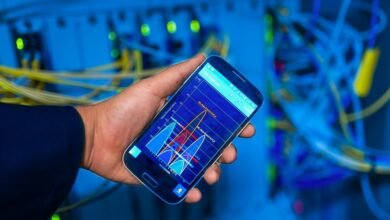
Signal Compass 780-420-6881 claims to aggregate public data and behavioral signals to produce structured caller intelligence, with objective benchmarks and risk indicators. It emphasizes on-device analysis, verifiable signals, and privacy safeguards to reduce spoofing and support decision-making. The approach appears analytical, guiding screening through comparative metrics rather than opaque conclusions. Yet questions remain about data sources, reliability, and real-world limits, inviting closer examination of how accuracy is verified in practice.
What Signal Compass 780-420-6881 Does for Caller Insights
Signal Compass 780-420-6881 provides structured caller insights by aggregating public data, behavioral patterns, and cross-referenced signals to assess caller intent. The approach emphasizes insight benchmarking, enabling comparative performance metrics across calls while maintaining objective evaluation. Analytical methods quantify risk indicators and content signals, guiding decisions without unnecessary intrusion. Privacy safeguards are prioritized to protect individual data while delivering actionable, verifiable insights.
How Accurate Caller ID Actually Gets Verified
How is the accuracy of Caller ID established in practice? Verification rests on cross-referencing signaling data, carrier attestations, and regulatory records to confirm identity of the calling line. Evidence-based checks include caller ID verification protocols and source authentication. The approach balances transparency with privacy safeguards, ensuring reliable attribution while safeguarding user data and minimizing spoofing risk.
Smart Screening: Protecting Your Privacy and Time
Smart Screening builds on verified caller insights to reduce nuisance while preserving user privacy. The mechanism prioritizes privacy protection by minimizing data exposure and using on-device analysis rather than cloud tracking.
Evidence indicates improved time efficiency as unnecessary calls are filtered early. Deterrence of spoofed numbers strengthens trust, enabling users to pursue autonomy and freedom without sacrificing essential communication.
Real-World Scenarios: When to Trust or Double-Check Signals
In practical use, signals from Signal Compass are most reliable for routine, non-urgent calls where caller history, frequency patterns, and verified profiles converge to indicate legitimacy; nevertheless, uncertainties remain in new or atypical contexts, necessitating targeted verification.
The framework offers signature insights and analyzes call metadata, enabling informed decisions while maintaining vigilance for anomalies and potential spoofing in dynamic real-world scenarios.
Conclusion
Conclusion: In a coincidence-driven twist, Signal Compass unites disparate data—public records, behavioral patterns, and on-device signals—to yield corroborated caller insights. The overlap of cross-referenced signals, secure-local analysis, and verifiable attribution creates a consistent pattern: when multiple indicators align, trust rises; when they diverge, double-checking is prudent. This convergent evidence approach offers a concise, evidence-based framework for informed screening, while the coincidental alignments keep readers engaged and wary of false positives.