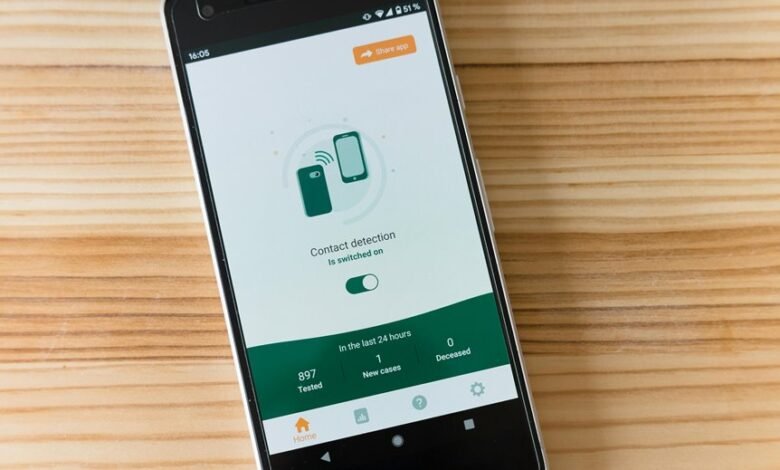
Smart Radar Start 817-326-7564 integrates radar-based sensing with privacy-preserving proximity detection to produce real-time exposure windows. The method translates raw contact data into discrete intervals suitable for scalable analytics and risk mapping. Governance emphasizes data minimization, independent oversight, and reproducible pipelines. This approach supports rapid public health decision-making while safeguarding individual identities, yet leaves open questions about deployment, validation, and accountability that warrant careful scrutiny.
What Is Smart Radar Contact Tracing and Why It Matters
Smart radar contact tracing is a method that leverages radar-based sensing to detect proximity events and movement patterns between individuals while preserving privacy. The approach leverages Smart Radar data to identify exposure likelihoods without revealing identities, enabling authorities and communities to assess risk, allocate resources, and sustain informed choice. Real Time Radar outputs support timely decisions; Exposure Windows define actionable intervals. Contact Tracing efficiency improves accordingly.
How Real-Time Radar Feeds Map Exposure Windows
Real-time radar feeds translate continuous proximity data into discrete exposure windows by synchronizing sensor timestamps with standardized time intervals. This process yields exposure mapping that translates raw contacts into momentary risk periods.
Data streams—real time feeds—are timestamp-aligned, permitting analysts to quantify duration and sequence of exposures, supporting objective assessment without interpretive embellishment or extraneous commentary.
Privacy Safeguards and Data Governance in Radar-Based Tracing
The privacy safeguards and data governance framework surrounding radar-based tracing are anchored in minimizing data collection, enforcing strict access controls, and implementing transparent data handling practices. Frameworks emphasize accountability, auditability, and purpose limitation, with robust privacy controls and data minimization guiding every stage. Independent oversight ensures compliance, while user rights and open reporting support public trust and responsible, freedom-respecting deployment of radar-based tracing.
From Data to Action: Scalable Analytics That Accelerate Public Health Response
From data to impact, scalable analytics translate raw radar-derived signals into timely public health actions. The approach emphasizes reproducible pipelines, scalable compute, and transparent metrics, enabling rapid decision-making. Core elements include data governance to ensure quality and privacy, and exposure mapping to delineate risk contours.
Outcomes: accelerated response, validated insights, and traceable interventions aligned with public health objectives.
Conclusion
Smart Radar Start integrates high-resolution sensing with strict privacy controls, producing exposure windows without exposing identities. Juxtaposing granular proximity data with broad governance, the system translates raw contacts into actionable intelligence while preserving minimization. Real-time radar feeds enable precise risk mapping, yet remain bounded by oversight and reproducible pipelines. In this balance, scalable analytics accelerate responses, but privacy safeguards—transparency, independent review, and data minimization—anchor trust, ensuring effective public health action without compromising individual confidentiality.