Who Called Me? Complete Phone Number Investigation: 680805755, 986071836, 961824810, 965648604, 926400558, 975570150, 63030301957061, 613159782, 1152935200 & 982048415

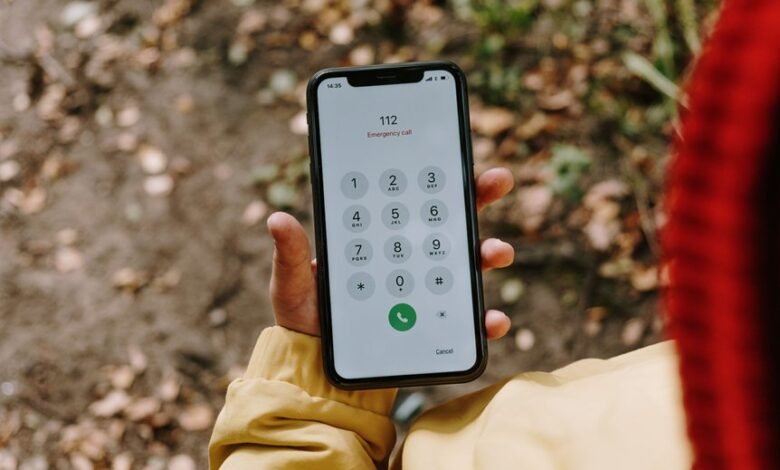
This discussion examines how to trace calls from a list of numbers with an emphasis on verifiable data such as carrier records and location metadata. It prioritizes privacy, data minimization, and auditable processes to balance investigation needs with civil liberties. The method emphasizes reproducible steps and clear accountability. As gaps remain and uncertainty persists, stakeholders are invited to consider practical procedures and potential outcomes before proceeding further.
What This Investigation Helps You Solve
This investigation clarifies the practical questions surrounding unknown or suspicious calls. It identifies patterns, assesses risk, and supports informed decisions without sensationalism.
Call tracing enables verification of caller identity, while privacy protection safeguards sensitive data.
The process emphasizes accountability, transparency, and user autonomy, ensuring individuals understand potential threats and can act confidently within legal boundaries to protect personal information.
How to Identify a Caller’s Origin Quickly
To identify a caller’s origin quickly, investigators prioritize traceability methods that reveal both the geographic source and carrier.
Methods emphasize verifiable data, such as carrier records and location metadata, ensuring accountability.
The approach supports transparency and user autonomy by presenting concise, actionable findings.
Identify origin is essential for accurate profiling; Quick identification enhances procedural confidence and public trust.
Step-by-Step Number Investigations for Your List
Step-by-step number investigations for a list require a systematic framework that prioritizes verifiable data, reproducible procedures, and clear documentation. The approach emphasizes objectivity, verification, and accountability, presenting findings detached from personal bias. It highlights privacy practices and risk mitigation as essential considerations, ensuring researchers uphold consent, minimize exposure, and document sources. This disciplined process supports freedom through transparent, responsible inquiry and auditable outcomes.
Protecting Privacy While Tracing Calls and Mitigating Risk
How can privacy be preserved while tracing calls and mitigating associated risks? The approach emphasizes privacy awareness and robust governance, ensuring data minimization, purpose limitation, and transparent auditing. Independent verification confirms methodologies, while accountability frameworks deter misuse. Risk mitigation relies on encryption, access controls, and anomaly monitoring, balancing investigative needs with civil liberties, empowering informed choices and responsible, freedom-minded traceability.
Frequently Asked Questions
Can These Numbers Be Traced Without Legal Authority or Consent?
Yes, but only with proper authorization; without consent, traceability is limited by privacy challenges, jurisdictional issues, and legal constraints, affecting accountability. The balance favors consent implications and rigorous verification within applicable laws and boundaries.
Do International Numbers Require Different Tracing Steps?
International tracing requires legal authority and varied compliance across jurisdictions; procedures differ by country, demanding formal authorization, jurisdictional coordination, and careful verification to ensure accountability and protect rights during the investigation.
What Tools Are Most Reliable for Caller ID Spoofing Detection?
Caller ID spoofing detection favors layered tools; robust caller ID analytics, carrier cooperation, and anomaly scoring best support traceability ethics. Reverse lookup limitations exist; international dialing quirks require careful verification, transparency, and accountable reporting of suspicious activity.
How Accurate Are Reverse-Lookup Services for Odd-Length Numbers?
Reverse-lookup accuracy for odd-length numbers is variable, often limited by incomplete databases and regional formatting, requiring cautious interpretation. The assessment emphasizes call tracing ethics and privacy risks, advocating verification, accountability, and freedom-respecting transparency in practice.
Can Callers Defend Against Being Traced or Blocked Successfully?
Gloves off, the shielded ring of a phone fades under scrutiny. Caller ID Spoofing and Legal Compliance show attackers may evade traces briefly, but persistent tracing, customer consent, and policy controls enable accountable detection and defense against manipulation.
Conclusion
In a detached, verifiable lens, the investigation emphasizes traceable data and minimal exposure. A single anecdote illustrates the rhythm: like a breadcrumb trail—each carrier record, timestamp, and location datum adds a verifiable footnote to the chain. Across the list of numbers, objective methods—carrier cooperation, metadata, and consent—anchor conclusions in accountability. The result is reproducible, privacy-preserving, and auditable, ensuring transparency without overexposure or civil liberties compromise.