Discover Unknown Caller Details Through Number Records: 911178903, 679272113, 636987034, 24840562, 914908900, 662997984, 911210031, 605737889, 963300818 & 927181360

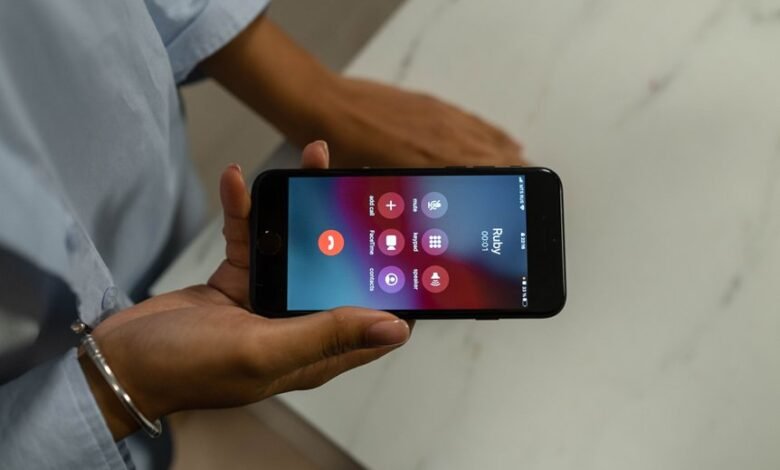
An analytical overview considers what number records can reveal about unknown callers, including potential origins, ownership, and carrier signals. It emphasizes data quality, traceability, and privacy-by-design practices to avoid speculation. The discussion notes how timing, frequency, and identifier consistency inform risk assessment, while urging careful interpretation of metadata and robust anonymization. With a structured approach and auditable workflows, the topic invites further examination of methods and safeguards before drawing conclusions.
What “Number Records” Can Reveal About Unknown Callers
Unknown caller details can often be inferred from various types of number records, provided the data sources are accessible and reliable.
The analysis focuses on identifying call patterns and related contextual signals, while acknowledging evaluating metadata cautionary notes.
Results emphasize traceability, data quality, and potential limitations, avoiding overreach.
The detached perspective supports objective assessment without speculative conclusions about individual intent or affiliation.
How to Verify Ownership, Carrier, and Location Safely
To verify ownership, carrier, and location safely, a structured, data-centered approach is required that distinguishes authoritative sources from speculative signals. The analysis remains objective and concise, focusing on verifiable records and consent-driven processes. It emphasizes verify ownership, carrier verification, and location safety while acknowledging privacy considerations as essential safeguards within lawful, auditable data practices. Respectful transparency guides methodological boundaries.
Interpreting Call Patterns and Red Flags to Watch For
Pattern analysis of call activity focuses on identifying deviations from baseline behavior, enabling the differentiation of legitimate contact from potentially harmful or deceptive attempts.
The examination considers call pattern trends, timing, frequency, and caller id consistency.
Risk indicators include unusual geographic dispersion, high-speed callbacks, and duplicated numbers.
Unknown caller details inform safety verification, guiding cautious engagement and verification steps without speculation.
Step-by-Step Guide to Researching the Ten Example Numbers Responsibly
This step-by-step guide presents a structured approach to researching ten example numbers in a responsible and reproducible manner. The method emphasizes verified sources, logging procedures, and reproducible results, ensuring accountability. It addresses privacy concerns and consent implications, balancing inquiry with ethical boundaries. Data minimization, anonymization, and disclosure controls are applied, enabling transparent evaluation while safeguarding stakeholder rights and maintaining methodological rigor.
Frequently Asked Questions
Can These Numbers Be Used to Stalk or Harass Someone Legally?
Stated plainly, using those numbers to stalk or harass is generally illegal in many jurisdictions. The stalking risk remains elevated, and harassment legality hinges on intent, repetition, and threat assessment, with legal remedies available to victims and authorities.
Are There Privacy Laws Governing Reverse Lookup Usage?
Privacy laws govern reverse lookup usage, limiting collection and dissemination; enforcement varies by jurisdiction. Data retention policies, consent laws, and fraud prevention aims shape access, while privacy enforcement remains essential for lawful, freedom-respecting practices.
Which Jurisdictions Regulate Selling or Sharing Caller Data?
Jurisdictions regulating selling or sharing caller data fall under privacy regulation frameworks and data sharing rules. An analytical view notes cross-border differences, with stricter controls in some regions and looser norms in others, impacting transparency and consent.
How Accurate Are Public Directory Results for Unknown Numbers?
Like a cautious clock, public directory results for unknown numbers vary; data accuracy is uneven. They can mislead, betraying privacy breach risks. The evaluation remains analytical: reliability depends on source provenance, update cadence, and consent standards.
What Risks Arise From Misidentifying a Caller’s Identity?
Misidentifying a caller’s identity risks harm, legal exposure, and erosion of trust; it undermines misuse prevention and data ethics. The speaker notes precision, verification, and transparent accountability as essential safeguards for individuals asserting freedom and safety.
Conclusion
In examining unknown caller details via number records, the analysis emphasizes data quality, traceability, and privacy-first practices. While some may doubt the utility of ephemeral metadata, disciplined verification of ownership, carrier, and location remains essential for risk assessment and legitimate investigations. By prioritizing auditable workflows and anonymization, the approach mitigates privacy risks and fosters reproducible insights, even when signals appear inconclusive. This disciplined stance strengthens trust while acknowledging the limits of non-consensual data interpretation.