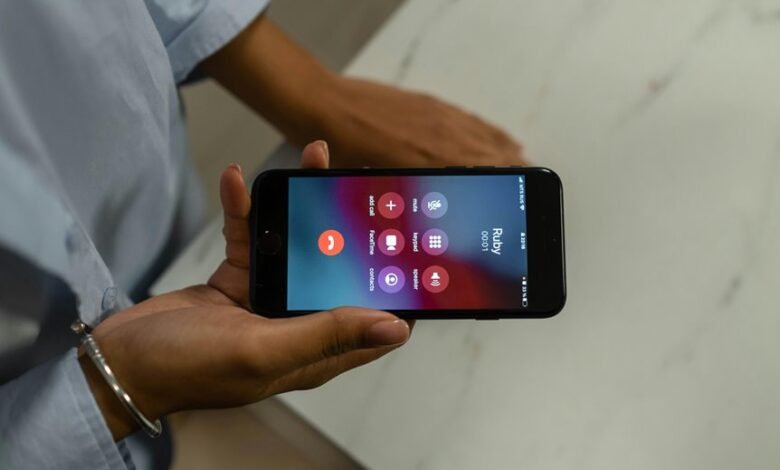
The Signal Guide traces how caller ID information travels across modern networks, exposing the practices behind what appears on a screen. It covers SIP, SS7, and VoIP signaling, revealing how data can be spoofed or leaked and why origin proofs are often unreliable. The piece remains cautious, stressing non-invasive verification and cross-checks. A conservative approach is urged before accepting any ID at face value, leaving readers with a question: what safeguards truly protect privacy when identification is so easily manipulated?
What Signal Guide 800-317-0023 Reveals About Caller ID
Signal Guide 800-317-0023 functions as a conduit for exposing how caller ID data is collected and displayed in contemporary telecommunications.
The report analyzes patterns, not individuals, revealing systemic practices behind display choices.
It identifies caller id myths and privacy risks, emphasizing transparency over ambiguity.
It presents findings in a restrained, investigative tone that respects freedom-oriented readers seeking informed scrutiny.
How Caller Identification Works: Tech, Data, and Limitations
How does a call reveal its origin in modern networks? Call signaling transmits origin data via SIP, SS7, and VoIP protocols, but identifiers can be stripped or spoofed.
Call id basics include caller numbers, headers, and metadata collected by carriers.
Privacy implications arise from data aggregation, leakage, and cross-border access, underscoring limitations in definitive origin proof.
Practical Steps to Verify Unknown Numbers Without Compromising Privacy
Practical steps for verifying unknown numbers without compromising privacy begin with lightweight verification techniques and cautious information gathering. The approach emphasizes minimal data exposure while assessing legitimacy, including cross-checking contact details via official sources and sandboxed inquiries. Documentation of results supports privacy practices, ensuring transparency. Verification techniques rely on non-invasive signals, timely confirmations, and disciplined skepticism to prevent unnecessary data leakage or misidentification.
Interpreting Caller ID Data: Tips to Avoid Scam and Maintain Security
Caller ID data can be misleading or manipulated, so the section examines how to interpret received numbers, assess authenticity, and spot red flags before engaging. Analysts emphasize verifying source consistency, cross-checking with known contacts, and recognizing spoofed patterns. Ignored content and unrelated topics should be deprioritized, while cautious curiosity preserves security, personal boundaries, and informed choice in every interaction.
Conclusion
In a disciplined cadence, the guide unmasks the theater of Caller ID, where signals drift like fog over a harbor. It casts light on SIP, SS7, and VoIP tricks, exposing gaps yet underscoring sober limits to origin proof. The approach is methodical: verify quietly, cross-check sources, guard privacy. The conclusion: knowledge as ballast against spoofing, not armor. Truth arrives in measured steps, a cautious, investigative heartbeat guiding readers through the noise toward transparent, responsible verification.