Mystery Caller Tracking Results and Number Details: 936295562, 621626457, 943205908, 952227836, 25064232, 651007599, 927779663, 6629000909396, 636961178 & 911087241

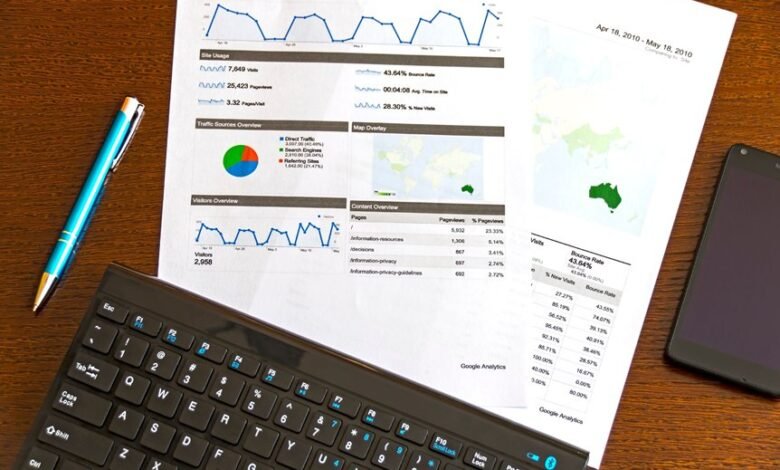
The mystery caller tracking results and number details present a structured snapshot of patterns across origins, timing, and behavior. Each listed number serves as a data point for tracing trajectories, detecting anomalies, and assessing cadence under privacy-conscious constraints. The approach is methodical: map origins, identify fraud indicators, and evaluate cross-checks without exposing sensitive endpoints. The findings suggest regional variance and peak activity windows, yet questions remain about verification methods and data completeness, inviting further scrutiny.
What Mystery Caller Tracking Reveals About Caller Patterns
Mystery caller tracking reveals discernible patterns in the origin and timing of calls, enabling a systematic assessment of frequency, distribution, and behavior. The analysis logs call cadence, peak hours, and regional variance, highlighting consistent track patterns.
Observations emphasize privacy concerns, as data handling and anonymization influence interpretation. Fraud indicators emerge through anomalous bursts, while caller origins suggest targeted or random sources.
Decoding the List: Origins, Technologies, and Fraud Indicators
Origins, technologies, and fraud indicators within the mystery caller list are examined through a structured, evidence-driven lens that seeks to map lineage, deployment chains, and risk signals.
Decoding origins reveals patterns in caller behavior, while tracing privacy considerations constrain data access.
The analysis highlights fraud indicators, caller patterns, and methodological rigor, offering a clear, disciplined framework for evaluating anonymity-preserving mechanisms and deployment vectors.
Step-by-Step: Tracing Numbers Safely and Privately
In the wake of prior analysis, the focus shifts to a methodical, privacy-conscious approach for tracing numbers. The process emphasizes documenting steps, verifying sources, and maintaining strict privacy practices while evaluating caller patterns. Analysts isolate metadata, avoid unnecessary disclosure, and cross-check with reputable databases. Resulting traces balance insight with restraint, enabling secure, responsible inquiry into numerical origins without compromising anonymity.
Practical Takeaways: Red Flags, Privacy, and Security Tips
What red flags signal potential misuse or fraud in caller tracing, and how do privacy and security considerations shape a responsible approach?
The analysis identifies suspicious activity, inconsistent caller patterns, rapid frequency changes, and data access irregularities as clear indicators. Privacy pitfalls emerge from over-collection and inadequate retention controls, while secure practices emphasize minimal data exposure, audit trails, and disciplined disclosure to preserve freedom and trust.
Frequently Asked Questions
How Accurate Are Caller Location Estimates for Numbers Listed?
Caller location estimates vary; accuracy is limited and often uncertain due to spoofing, move, and database gaps. In an unrelated topic, off topic discussion, measurements rely on multiple signals, statistical models, and continual validation against observed behavior.
Can Numbers Be Spoofed to Misrepresent Origin or Owner?
Yes, numbers can be spoofed to misrepresent origin or owner, but verification methods exist. The discussion emphasizes spoofing ethics and identity verification, analyzing technical feasibility, countermeasures, and legal implications with a methodical, freedom-minded perspective.
What Legal Steps Exist to Block or Report Nuisance Calls?
Block nuisance calls exist under regulatory remedies; authorities advise reporting to regulators, using call blocking tools, and pursuing injunctive or civil remedies. Spoofing risks require identity verification, evidence collection, and methodical documentation to empower enforcement and personal freedom.
Do Numbers Reveal Ownership History Across Multiple Countries?
Numbers do not reliably reveal ownership history across borders. Overseas tracing is sometimes possible with cooperation, but records vary; legal remedies exist, yet investigators must verify jurisdictions, data protection laws, and consent requirements before proceeding.
How Can I Verify a Caller’s Identity Without Sharing Data?
Verification can be achieved through privacy preserving identification and data minimization, employing verification protocols that avoid sharing personal details, and by analyzing cross border ownership history without exposing unrelated data; results remain analytical, methodical, and audience-friendly.
Conclusion
In conclusion, the dataset functions like a meticulous map of hidden trails, each number a breadcrumb revealing origins and timing with forensic clarity. The analysis threads patterns through cadence and geography, separating noise from signals while honoring privacy constraints. By tracing deployment chains with disciplined caution, researchers illuminate risk signals without compromising identity, turning scattered data into a structured lattice of actionable insights. The result is a disciplined, nearly surgical view of mystery caller behavior.