Telephone Caller Search: 7083655202, 506034688, 315-741-3847, 4024838576, 18002635977, 8449046816, 1-844-309-1201, 7209053309, 7206990815 & 4697542960

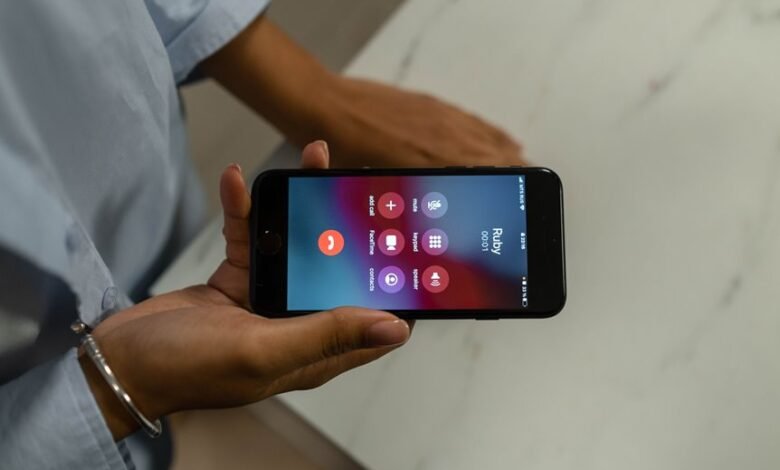
Telephone caller search, using numbers like 7083655202 and 4697542960, integrates metadata, porting logs, and call-detail records to trace provenance. Analysts assess patterns, flag risk signals, and cross-check against public registries to attribute legitimacy while respecting privacy constraints. The process relies on disciplined workflows, objective criteria, and transparent reasoning to inform incident response. The approach remains methodical yet incomplete without corroborating evidence, prompting ongoing scrutiny of data-sharing practices and verification steps that follow.
What Is Telephone Caller Search and Why It Matters
Telephone caller search refers to the process of identifying the origin of a telephone call, typically by tracing metadata, number porting records, carrier data, and call detail records. This practice illuminates network provenance, supports fraud mitigation, and enhances accountability. It raises privacy risk concerns and depends on data accuracy to avoid misattribution, ensuring reliable attribution while safeguarding legitimate user rights.
How to Evaluate Numbers: Pattern Recognition and Risk Signals
Evaluating numbers through pattern recognition and risk signals involves systematically analyzing call-origin data to identify anomalies, typical usage patterns, and indicators of suspicious activity. This method emphasizes consistent evaluation, objective criteria, and transparent reasoning.
Pattern recognition highlights recurring behaviors, while risk signals flag deviations. Such practices support informed judgment about legitimacy, caller intent, and potential fraud, enabling prudent, freedom-respecting decision-making.
Tools and Methods: Reverse Lookups, Caller-Id Data, and Privacy Tips
Tools and methods in identifying callers combine technical lookups with contextual data, offering a concise framework for verification and risk assessment.
Reverse lookups and caller-ID datasets support cross-checking, while metadata from public registers strengthens attribution.
However, privacy considerations underscore limits on data sharing and consent.
Data accuracy hinges on source reliability, verification cadence, and transparency about methodologies for responsible, freedom-oriented use.
Real-World Workflow: Identify, Verify, and Act on Calls Like 7083655202 and Friends
From the prior discussion on reverse lookups, caller-ID datasets, and privacy considerations, practitioners move to a concrete workflow for handling calls such as 7083655202 and similar contacts.
The method operationalizes informal workflows to quickly identify risk signals, verify legitimacy, and document actions; decisions hinge on corroborated data, source credibility, and regulatory boundaries, enabling disciplined, adaptable incident response without unnecessary friction.
Frequently Asked Questions
How Accurate Are Caller ID Spoofing Indicators?
Caller id spoofing indicators vary in reliability; indicators can signal potential spoofing, yet false positives occur. Analysts assess signal patterns, header anomalies, and call metadata to determine accuracy, but no indicator guarantees authenticity.
Can Numbers Be Permanently Removed From Databases?
Yes, numbers can be permanently removed from some databases, though persistence varies by policy and provider. Numbers persistence occurs; database cleaning is key. The approach ignores others and relies on documented opt-out, retention, and regulatory constraints.
Do Calling Patterns Imply Legitimate Business Use?
Call patterns alone do not prove legitimacy; rigorous analysis is required. They may indicate legitimate useability or routinized marketing, customer service, or automated processes. Context, consent, and regulatory compliance remain essential for accurate interpretation.
What Legal Risks Exist With Monitoring Unknown Numbers?
Monitoring unknown numbers raises legal risk related to privacy concerns; entities must ensure data minimization, comply with consent and disclosure requirements, and avoid surveillance without lawful basis, given potential regulatory enforcement and civil liability across jurisdictions.
How to Handle False Positives in Caller Searches?
Pragmatic precautions prevent pernicious predicates: practicing patience, paired with corroboration. False positives undermine caller ID data accuracy; rigorous verification, transparent sourcing, and documented dissent reduce risk while respecting callers’ freedom and due-process protections.
Conclusion
In this evolving landscape, caller-search data reveals patterns that distant patterns alone cannot explain. Across numbers like 7083655202 and its peers, analysts detect signals worth flagging—timing anomalies, unusual provenance, and cross-network echoes. Yet every attribution hinges on careful verification, transparent methods, and privacy safeguards. As workflow gaps close and sources multiply, the suspense builds: will the next ring confirm a threat or reveal benign legitimacy? The answer rests on disciplined inquiry and objective, sourced reasoning.