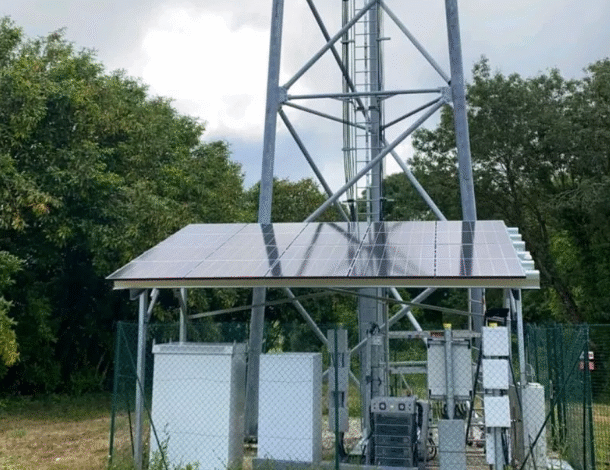
In today’s fast paced digital era, telecom networks are the backbone of global connectivity. With the exponential growth of data traffic and mobile users, ensuring uninterrupted network performance has become crucial. One of the most effective strategies to maintain reliable operations is implementing advanced Base Station Energy Storage Solutions. These solutions help telecom operators manage power efficiently, reduce costs, and enhance system resilience.
Understanding Base Station Energy Storage
Base Station Energy Storage refers to systems designed to store electrical energy specifically for telecom base stations. These energy storage systems are crucial for maintaining continuous operations, especially during power outages or fluctuations. Modern Battery Energy Storage System (BESS) technology allows base stations to operate independently of the grid for extended periods, ensuring seamless connectivity.
With the adoption of renewable energy sources and the push for greener telecom infrastructure, energy storage is no longer optional but essential. Energy Storage Container Systems provide a scalable, compact, and secure solution to house batteries, making installation and maintenance simpler.
Key Components of Base Station Energy Storage Solutions
A well designed Base Station Energy Storage Solution typically includes:
- Battery Energy Storage System (BESS): Core component responsible for storing energy and providing backup power.
- Energy Storage Container System: Enclosed units that house batteries, inverters, and control systems safely.
- Power Management System (PMS): Monitors energy flow, optimizes battery usage, and ensures operational efficiency.
- Renewable Integration: Solar panels or wind turbines can be connected to reduce dependency on the grid and promote sustainability.
By combining these components, operators achieve high reliability, efficient energy utilization, and reduced operational costs.
Advantages of Energy Storage in Base Stations
The adoption of Base Station Energy Storage offers numerous benefits for telecom operators:
- Uninterrupted Connectivity: Even during grid failures, energy storage ensures continuous operation.
- Cost Savings: Reduces electricity bills through peak shaving and optimized energy usage.
- Reduced Carbon Footprint: Supports renewable energy integration, aligning with sustainability goals.
- Scalability: Modular Energy Storage Container Systems allow easy capacity expansion as network demands grow.
- Enhanced Security: Protects sensitive equipment from power surges and grid instability.
These advantages make energy storage solutions a strategic investment for telecom companies aiming for long-term reliability.
Innovations in Base Station Energy Storage Solutions
Recent technological advancements have made Base Station Energy Storage Solutions more efficient and reliable than ever:
- Advanced Lithium Ion Batteries: Lighter, longer-lasting, and more energy-dense than traditional lead acid batteries.
- Smart Energy Management Systems: Utilize AI and IoT for predictive maintenance, energy optimization, and remote monitoring.
- Modular Container Systems: Allow flexible deployment, easy upgrades, and minimal on-site construction.
- Hybrid Energy Storage: Combines batteries with supercapacitors or fuel cells for faster response times and longer operational life.
These innovations ensure that telecom networks can meet increasing data demands while maintaining energy efficiency.
Deployment Strategies for Maximum Efficiency
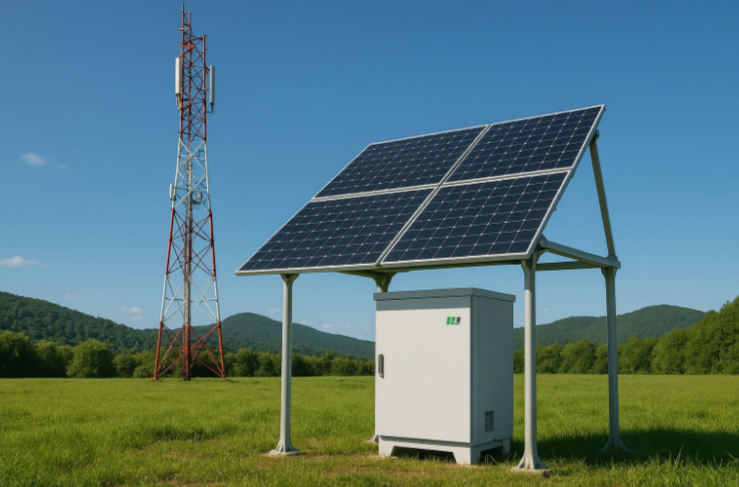
Effective deployment of Base Station Energy Storage requires careful planning:
- Site Assessment: Evaluate power requirements, environmental conditions, and network load.
- Container Customization: Design Energy Storage Container Systems that fit available space and climate requirements.
- Grid Integration: Ensure seamless connection with the local grid and renewable sources for hybrid operations.
- Monitoring and Maintenance: Implement remote monitoring and predictive maintenance to reduce downtime.
- Capacity Planning: Size the battery system appropriately to handle peak loads and future network growth.
Following these strategies ensures optimized energy utilization, reduced operational risks, and maximum ROI.
Future of Base Station Energy Storage
The future of telecom power management lies in innovative Base Station Energy Storage Solutions. As 5G networks expand and IoT devices proliferate, energy demand will increase exponentially. The industry is moving toward green energy integration, modular containerized solutions, and AI driven energy management systems.
Emerging trends include:
- Renewable Powered Base Stations: Solar and wind-powered sites using energy storage for uninterrupted operation.
- AI Optimized Energy Distribution: Intelligent systems predicting power usage and optimizing storage cycles.
- Global Standardization: Adoption of standardized containerized storage units for easier deployment and maintenance worldwide.
These developments promise a future where telecom networks are more resilient, energy-efficient, and environmentally friendly.
Conclusion
Reliable power management is the backbone of modern telecom networks. Implementing Base Station Energy Storage Solutions ensures continuous connectivity, cost efficiency, and reduced environmental impact. From Battery Energy Storage Systems (BESS) to Energy Storage Container Systems, these technologies empower operators to meet the growing demands of the digital world.By embracing innovative energy storage solutions, telecom companies not only safeguard their networks but also contribute to a sustainable and resilient energy ecosystem. The integration of smart energy management, modular containers, and renewable sources will define the next era of Base Station Energy Storage.